
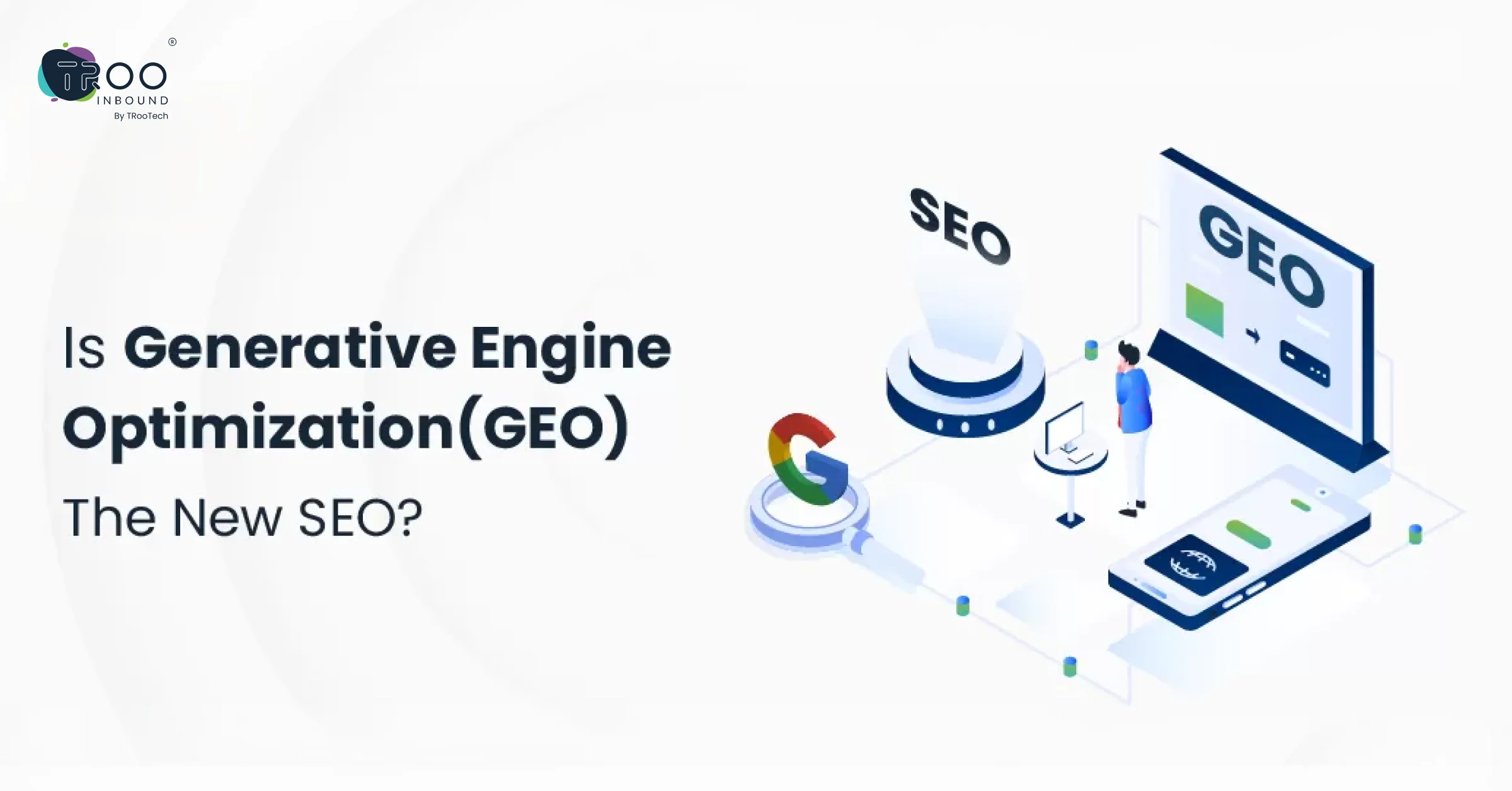


No, Generative Engine Optimization isn’t the new SEO, but when used along with SEO, it can improve your website’s visibility over AI-powered tools and search engines.
Then what is GEO? In this article, you’ll see almost all the essential details about Generative Engine Optimization, its essentiality, GEO and SEO differences, and a lot more. So, without a second thought, let’s directly switch to the core of this blog and explore GEO.
Understanding GEO and SEO - Two Pillars of Modern Digital Marketing
Both GEO and SEO are different, but implementing them accurately can help your content and website stand out from the rest. Let’s understand both in detail:
What is Generative Engine Optimization (GEO)?
Keeping the complex definition aside, in simple terms, GEO means optimizing your content for AI-powered tools and search engines like ChatGPT, Google AI Overview, Gemini, Meta AI, etc. Its main purpose is to make your content visible on such AI-powered tools and AI-generated search results.
What is SEO?
Search Engine Optimization (SEO) means enhancing a website’s ranking on search engines like Google. Its primary purpose is to increase the amount of appropriate traffic on your website and reach the highest number of target audiences.
Let’s understand the differences and similarities between GEO and SEO.
Similarities of Generative Engine Optimization and SEO
Though both processes are different, there are certain similarities between GEO and SEO. Here are their similarities:
- Both GEO and SEO hinge on content optimization, making your content error-free, attractive, and user-centric.
- Their main goal is to improve your website’s online visibility but on different domains.
GEO and SEO work on these two common bases. But the list of their differences is quite long. Let’s understand them.
What’s The Difference Between SEO and GEO?
The main difference between search engine optimization and generative engine optimization is – SEO improves your website’s visibility and ranking on traditional search engines. Implementing accurate GEO strategies improves the chances of your website being visible on ChatGPT and similar AI-powered search engines. Let’s see what are the other main differences between SEO and GEO.
Content Creation | Uses Artificial Intelligence to create and optimize content | It mainly relies on human-written, creative content |
Target Search Engines | AI-powered search engines like Google AI Overview, ChatGPT, Perplexity.ai | Traditional search engines like Google, Microsoft Bing, etc. |
Complex Queries | It provides precise answers for long-tail keywords | It provides general results for long queries |
Personalization | Targets a group of audience based on their data and provides them with personalized content | Targets a larger audience base with cutting-edge content |
Efficiency | Automated process for content optimization | Needs manual operations for content optimization |
Strategies | It requires platform-specific strategies | It follows universal rules across different platforms. |
These are the primary differences between SEO and Generative Engine Optimization. Now, let’s explore GEO more in the next sections.
How Is Generative Engine Optimization Impacting Traditional SEO?
GEO is impacting traditional SEO by shifting focus from just keyword optimization towards a comprehensive approach that prioritizes user intent, creating AI-centric content, prioritizing content quality, and making it user-centric over just stuffing keywords into the document.
Here are different GEO factors impacting Traditional SEO:
- Understanding User’s Search Intent
GEO emphasizes understanding user search intent beyond just keywords. It aims to provide them with helpful information that aligns with the user’s context and needs.
- AI-centric Focus
Traditional SEO primarily focuses on optimizing search engine crawlers, but GEO focuses on making content easy to digest for AI systems through writing structured and clear data.
- Content Formatting
GEO encourages proper content formatting, including clear headings, structured data, natural and easy language, etc.
- Improved User Experience
By customizing content for AI systems, GEO can lead to better user experience, and AI-powered search engines generate more accurate and personalized results.
Why Is Implementing GEO Necessary - Benefits of GEO
Implementing Generative Engine Optimization is essential because, using these strategies, you can optimize your content to stay visible on AI-powered search engines, improve user engagement, and improve your brand credibility by providing contextual and relevant content to the users.
Here are the key benefits of using GEO:
- Increased visibility of your content
The main aim of GEO is to make your content and website more visible on the internet. By implementing accurate generative engine optimization strategies, your organic traffic, brand awareness, and visibility will increase.
- Improved User Engagement
Delivering highly personalized and high-quality content will directly address user needs. It makes them satisfied and will improve their loyalty towards your brand.
- E-E-A-T In GEO
Add Experience, Expertise, Authoritativeness, and Trustworthiness to your content. It’s the best thing that an AI-powered search engine loves, and it also improves your content credibility.
- Future-Proofing your SEO Strategy
Adopting GEO in the early SEO stages will help your brand evolve well on traditional and AI-powered search engines and reach the target audience on time.
How to Implement Generative Engine Optimization (GEO) Strategies?
The key to implementing GEO successfully is understanding the process of how AI search engine results are generated and then creating content that’s both human and machine-centric.
So, here are some strategies for effectively incorporating GEO in your daily digital marketing strategies:
- Identify Topics That Your Customers Look For
With the use of a reliable keyword research tool, you can find topics that your target audience is interested in. Also, look for the relevant long-tail keywords that they ask on Google. Try to answer these questions in an accurate, simple, and easy-to-understand way for your next content on that topic. This improves the chances of your website ranking on AI search engines because people are more likely to perform conversational searches on ChatGPT than on traditional search engines.
- Develop Personalized Content
Create high-quality content that is relevant to your target audience’s intent and engaging enough to answer relevant questions. Some strategies that make your content look more authoritative and engaging include adding popular quotes and reputable resource links, answering long-tail questions, and writing in a manner that demonstrates trust and expertise.
- Use Structured Data
Using schema markup provides proper context and structure to your content and makes it easier for Gen AI to understand and index it.
- Don’t Forget User Intent
Keep the user intent in mind, that is, the purpose behind a user’s search query. It will help you tailor your content to fulfill their queries. Also, monitoring search intent and, based on it, modifying or creating your content time will help you stay ahead in the market.
- Develop Content For Different Platforms
The modern Large Language Models are trained to find content not just from blogs but also from Quora and Reddit. So, distribute your content to these channels to improve your chances of staying visible on AI-powered platforms.
Future GEO and SEO Possibilities
With advancing AI capabilities, it’s essential to keep your SEO and GEO strategies evolving. Here are the key future trends of GEO and SEO:
- Hyper-personalization – GEO enables developing content that is highly customized for each user based on their behavior and other data.
- Voice search – As AI assistant devices like Siri, Alexa, etc., are evolving, it’s important to develop content optimized for voice search. One key trick for voice search optimization is answering questions of conversational queries that users search on the internet.
- AI content creation – Take AI’s help to create content that is personalized and to the mark with your customer’s needs. It improves the overall user experience of your website and builds strong trust.
- Multimodal Search Integration – GEO will soon include visual and audio searches, allowing search using images and voice commands, demanding your content to be ready for such advancements.
Conclusion
Generative Engine Optimization (GEO) is transforming how we conceptualize research. As AI-powered search engines grow more popular, businesses must adapt by providing content that not only ranks but also connects with AI models and users. In contrast to traditional SEO, which centers around keywords and rankings, GEO emphasizes user purpose and well-structured, AI-friendly content.
However, this does not imply that SEO is no longer relevant. To keep ahead in the ever-changing digital market, the ideal method is to combine SEO foundations with GEO techniques. The future of search has arrived, and it’s time to embrace it.